Specifying B2B Green Slate top Manufacturer for Wholesale and OEM Orders
Technical Selection Trade-off: Density vs. Porosity
Selecting a green slate surface requires balancing mineral density against moisture absorption rates. High-density slabs offer superior resistance to spalling in freeze-thaw cycles but increase weight and shipping costs, whereas more porous variants facilitate easier precision cutting but require secondary sealants to prevent deep staining.
The limiting factor is rarely the headline specification of the stone, but rather the structural integrity of the natural cleaving planes under repeated mechanical stress. In high-traffic commercial environments or sports academies, failure typically manifests as delamination at the surface face where the metamorphic layers are unevenly compressed. When procurement officers evaluate bulk orders, they must focus on the variance in thickness across a batch, as inconsistent tolerances lead to high rejection rates during large-scale installation.
What Actually Determines Performance
Performance in green slate applications is dictated by the metamorphic grade and the mineral composition of the specific formation zone. A higher chlorite content results in the deeper green hue but can make the material more susceptible to surface wear if exposed to acidic cleaning agents. We measure the flexural strength of each batch to ensure the top can withstand the point loads of heavy furniture or equipment without micro-fracturing.
Fatigue appears at the stress concentration points where the slate meets the frame or support structure. If the grain is not aligned with the primary load-bearing axis, internal stresses will propagate cracks, leading to catastrophic splitting. Our facility utilizes ultrasonic testing to identify internal voids that are not visible to the naked eye but would indicate failure under thermal expansion.
Materials and Construction Trade-offs
Material choice involves a trade-off between natural aesthetic variance and dimensional predictability. A natural-riven surface provides a high-friction texture ideal for slip resistance in outdoor zones, but the uneven surface traps debris, requiring frequent maintenance. Conversely, a honed finish provides a uniform plane that is easier to sanitize but exposes the stone's softer matrix, increasing the risk of surface scratches from impact events.
| Parameter | Standard Range | Commercial Impact |
|---|---|---|
| Water Absorption | 0.2% - 0.8% | Lower increases frost resistance. |
| Compressive Strength | 80 - 120 MPa | Higher allows load-bearing capacity. |
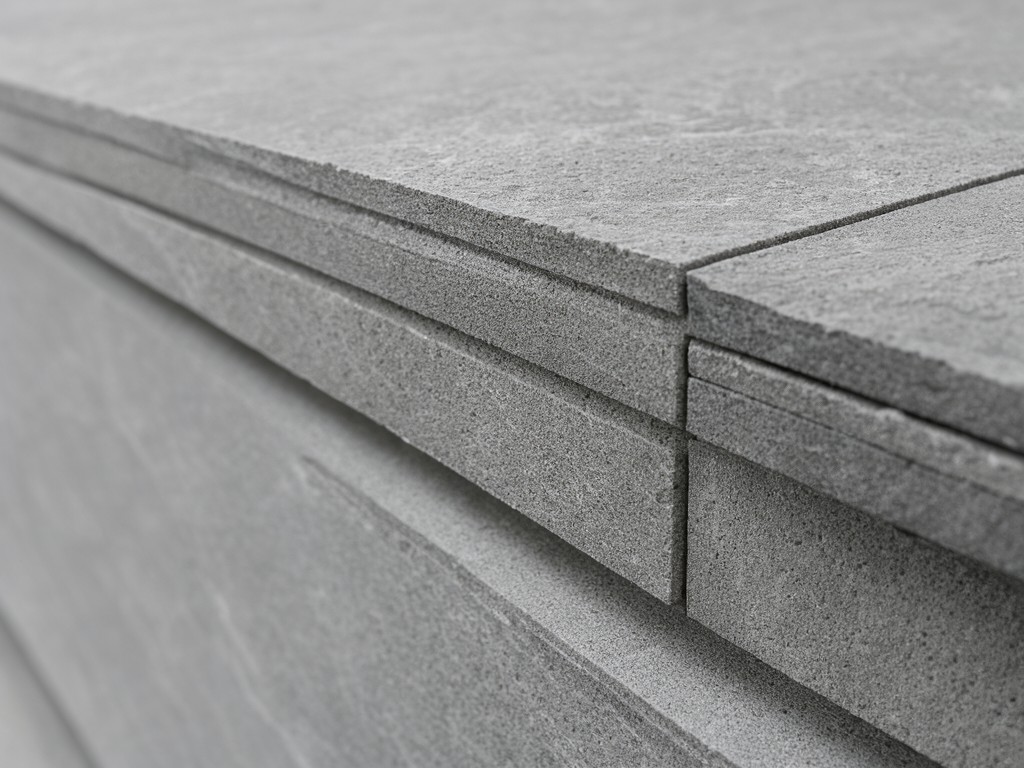
| Thickness Variance | ±1.5mm | Tight tolerances improve installation speed. |
Comparing Two Standard Configurations
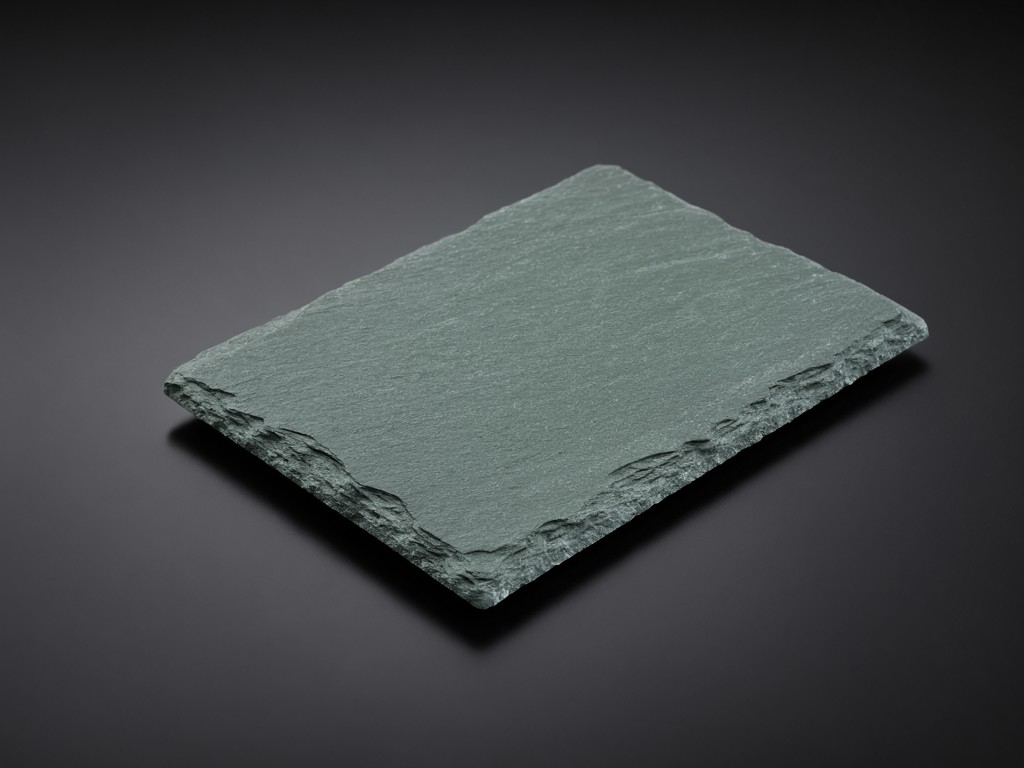
Natural Riven Finish
Utilizes the natural split of the stone to create a textured surface. Best suited for high-traction outdoor areas where slip resistance is the primary metric. Requires more maintenance to prevent buildup.
Honed/Smooth Finish
The surface is ground down to a flat, matte finish. Ideal for indoor high-end applications where precision and ease of cleaning are required. More susceptible to visible abrasions.
Working as a Production Partner, Not a Catalogue Supplier
Bulk procurement requires more than selecting off-the-shelf dimensions. We integrate into your design-flow to ensure that the green slate tops match the specific structural requirements of your framing systems. By controlling the CNC-cutting process at our facility, we reduce the risk of on-site breakage which often plagues large-scale commercial development projects.
- Custom edge profiling for seamless architectural integration.
- Reinforced sub-layer mounting for high-load tablet tops.
- Color-matching protocols using batch-specific mineral analysis.
Stock Availability and Reorder Planning
Weight and stiffness trade off against each other when determining the logistics of replenishment. Thicker slabs provide more rigidity but require specialized lifting equipment and increase labor costs. For private-label buyers, we recommend maintaining a buffer stock of raw material to ensure that reorders maintain the same exact mineral vein and tonal consistency across different production phases.
Export Packaging and Handling Protection
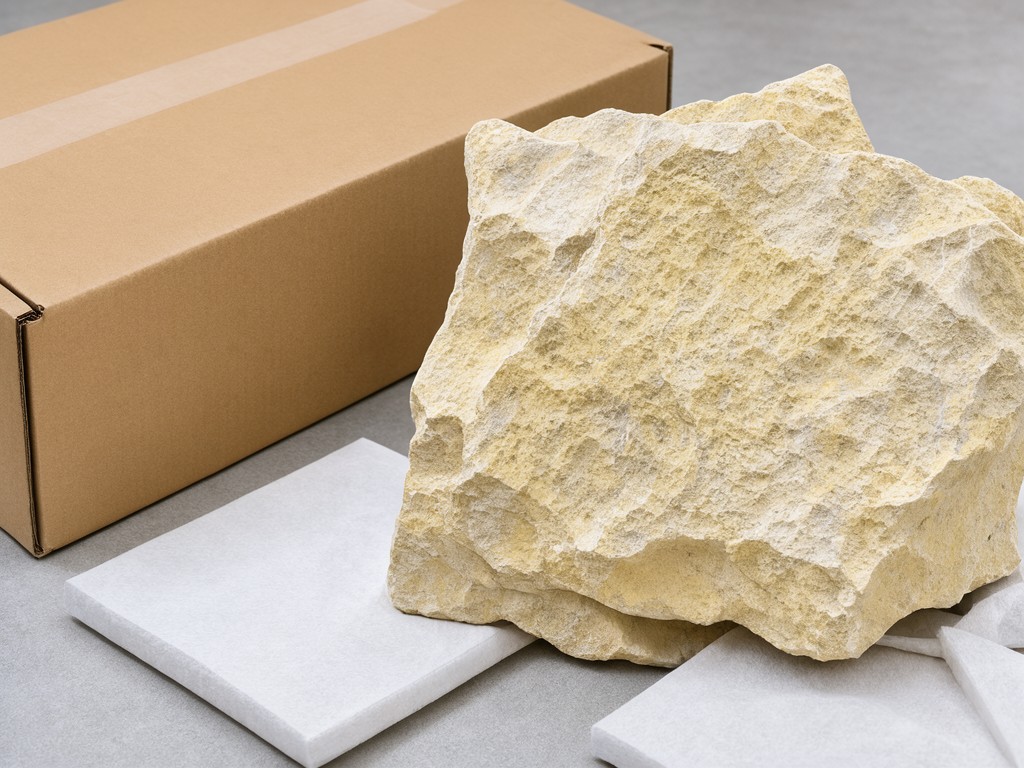
Slate is brittle under lateral impact. Our export-grade protocol involves custom-built timber crates with internal foam-in-place dividers to prevent vibration-induced fractures during maritime transit. This significantly reduces the "damaged on arrival" (DOA) rates common in standard-standard stone shipments.
Care, Storage and Service Life
The service life of green slate is theoretically indefinite if chemical exposure is managed. However, exposure to high-pH cleaners can leach the natural pigments over time. Storage must occur in a dry, well-ventilated environment to prevent moisture-related staining or fungal growth on the unsealed stone surfaces.
Ordering, Tooling and Lead-Time Questions
Lead times for custom-geometry tops are dictated by the complexity of the jig-path. For standard dimensions, we can initiate production within 4 weeks, but bespoke OEM designs require an initial 2-week phase for tooling approval and material stress testing.
Frequently Asked Questions
Can you provide color-matching for multiple orders?
We use batch-traceability markers to ensure tonal consistency, though natural stone variance within a 10% range is expected.
What is the maximum load rating for a honed top?
This depends on the thickness; typically a 30mm slab supports up to 200kg when distributed across a frame.
Ready to discuss your custom slate specifications?
Contact our technical team for a project discussion