Wholesale Marble Culture Stone Veneer Cladding Company: Specification, Ordering Quality Notes
Procuring thin-profile stone cladding requires balancing the aesthetic variance of the natural stone against the structural integrity of the substrate. Unlike solid-cut marble blocks, culture stone veneer is judged by the shear strength of the resin matrix and the bond- of the veneer to the reinforced backing. If the resin-to-stone ratio is inconsistent, thermal expansion cycles lead to delamination, especially in high-exposure facades.
The Problem Buyers Keep Paying For
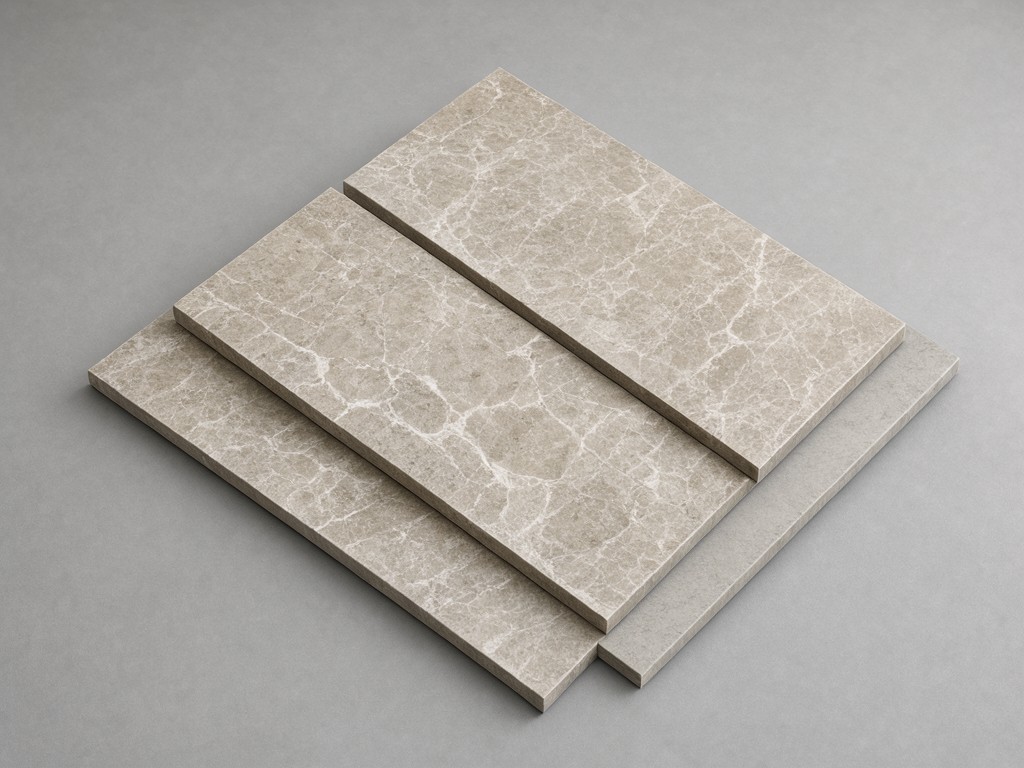
Distributors often report high return rates regarding color drift across large batches. When natural marble is sliced from different strata, the mineral composition can shift, resulting in visible mismatches within a single project run. This is mitigated through batch-level traceability, where each pallet is indexed with the specific quarry extraction coordinates to ensure visual tonal consistency.
Mechanical failure usually occurs at the adhesive interface. If the back-side of the veneer is not properly textured, moisture ingress through the porous stone leads to spalling during freeze-thaw cycles. We utilize a vacuum-pressure impregnation process to ensure the stone core remains saturated, reducing water absorption by percentage by weight.
Option Comparison by Usage
| Material Grade | Primary Application | Thickness Range | Load Rating |
|---|---|---|---|
| Standard Resin Culture | Interior feature walls | 5mm - 8mm | Low (Non-structural) |
| Reinforced Fiber Stone | Exterior cladding | 12mm - 15mm | Medium (Wind-rated) |
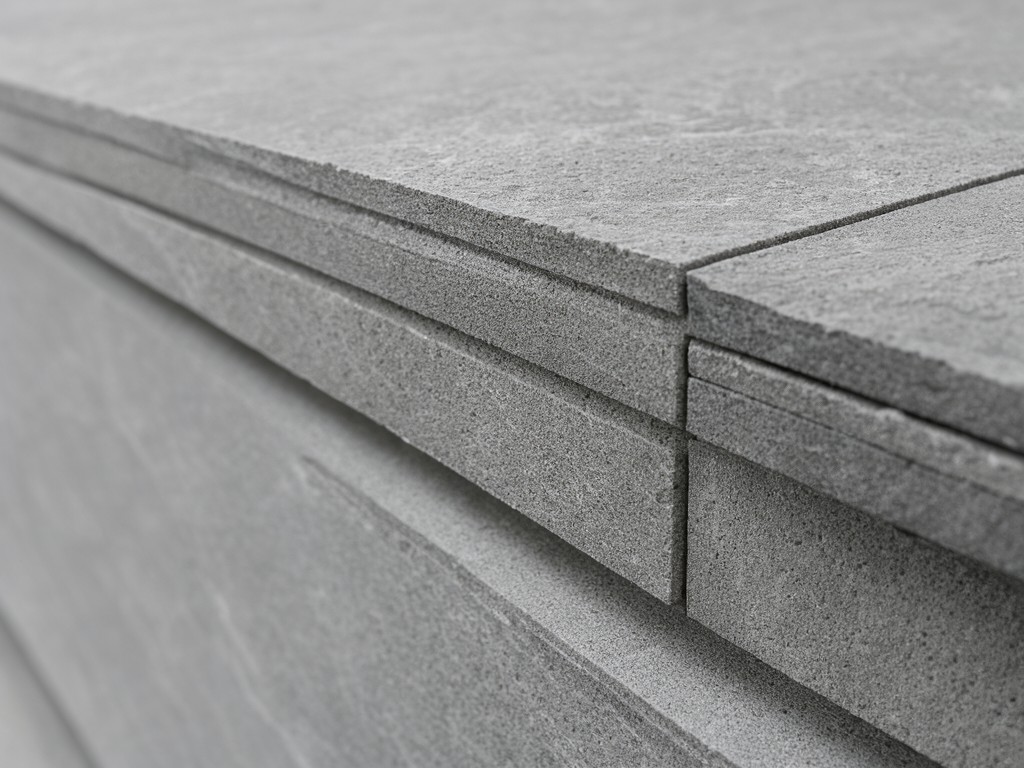
| Heavy Duty Slate Mix | High-traffic commercial | 20mm+ | High (Impact-resistant) |
Quality Control
Every batch undergoes dimensional stability testing to ensure the polymer matrix does not warp under UV exposure. We measure the coefficient of thermal expansion between the stone and the synthetic backing to prevent buckling in climates with direct solar gain.
- Adhesion Test: Pull-off testing to ensure the bond exceeds the strength of the stone itself.
- Water Absorption: 24-hour saturation test to verify porosity remains below 3% by volume.
- UV Degradation: Accelerated weathering cycles to check for yellowing of the resin binders.
Capacity and Tooling
Tooling amortisation is the primary driver of price for custom geometric profiles. Large-scale orders for standard rectangular tiles allow us to spread the cost of CNC cutting paths, whereas small-batch custom cuts incur a higher per-square-meter cost due to setup time and blade wear.
Lead Time Logic
If the order exceeds 5,000 square meters, lead times extend by 4 weeks to allow for raw material quarry sourcing. For bespoke private-label finishes, add a 21-day window for pigment-matching and sample approval.
Export Packaging and Handling
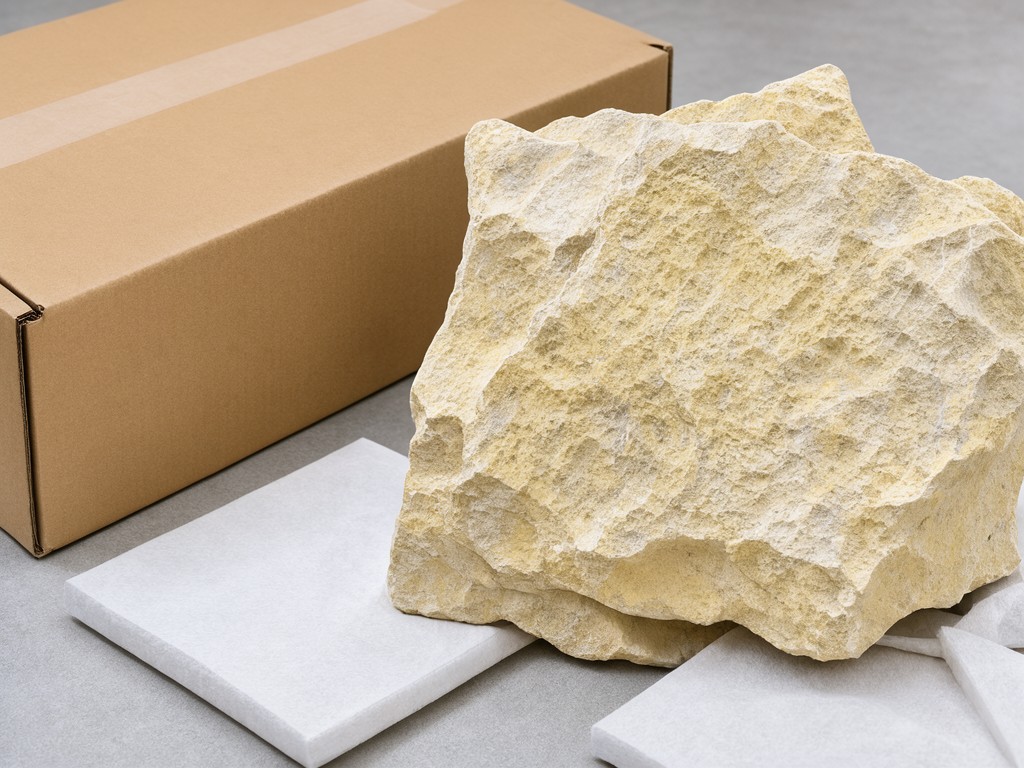
Shipments are packed in heat-treated timber crates to prevent edge chipping during maritime transit. Each pallet is shrink-wrapped with moisture-barrier film to prevent salt-air corrosion during international sea transport.