Wholesale Marble Culture Stone Supplier: What Buyers Should Check Before Ordering
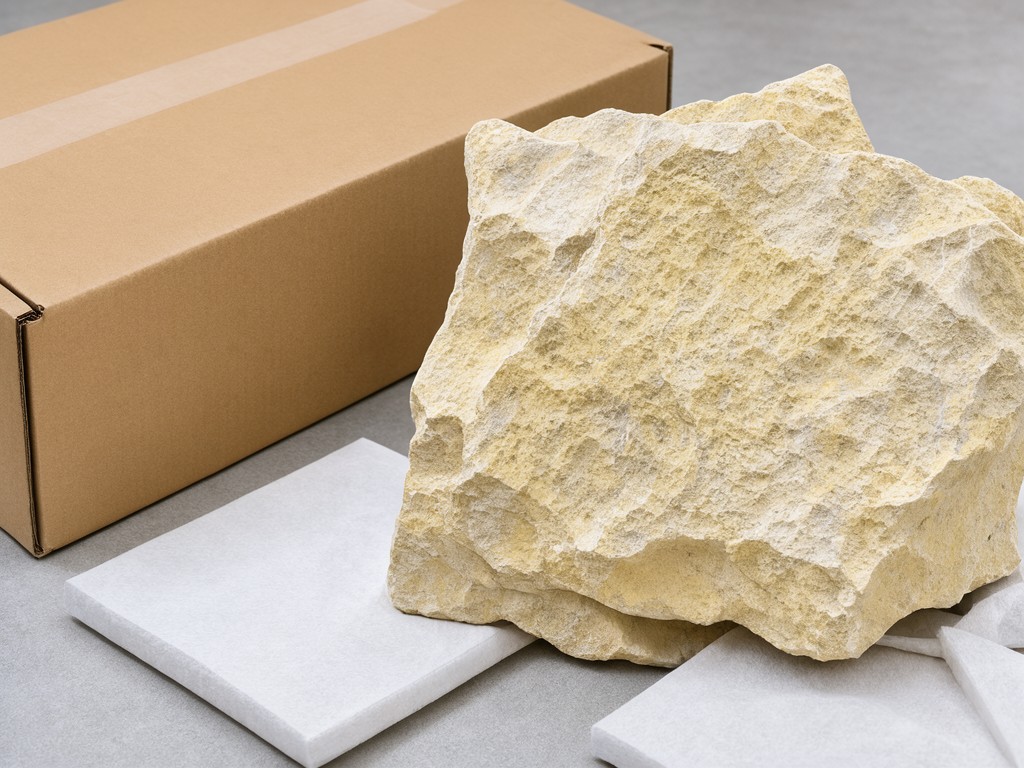
Moving from boutique samples to container-level procurement requires a shift from aesthetic preference to structural consistency and logistical efficiency. Culture stone, often referred to as manufactured natural stone, is judged by the ratio of aggregate to resin binder and the integrity of the surface veneer. If the bonding density is inconsistent across batches, the material prone to delamination during transport or cracking during installation, leading to high return rates for the end-user.
What This Product Is Where It Fits
| Technical Parameter | Standard Specification |
|---|---|
| Base Material | Crushed natural marble, polymer resin, mineral pigments |
| Water Absorption | < 3% (by volume) |
| Compression Strength | 35-50 MPa |
| Flexural Modulus | 8-12 GPa |
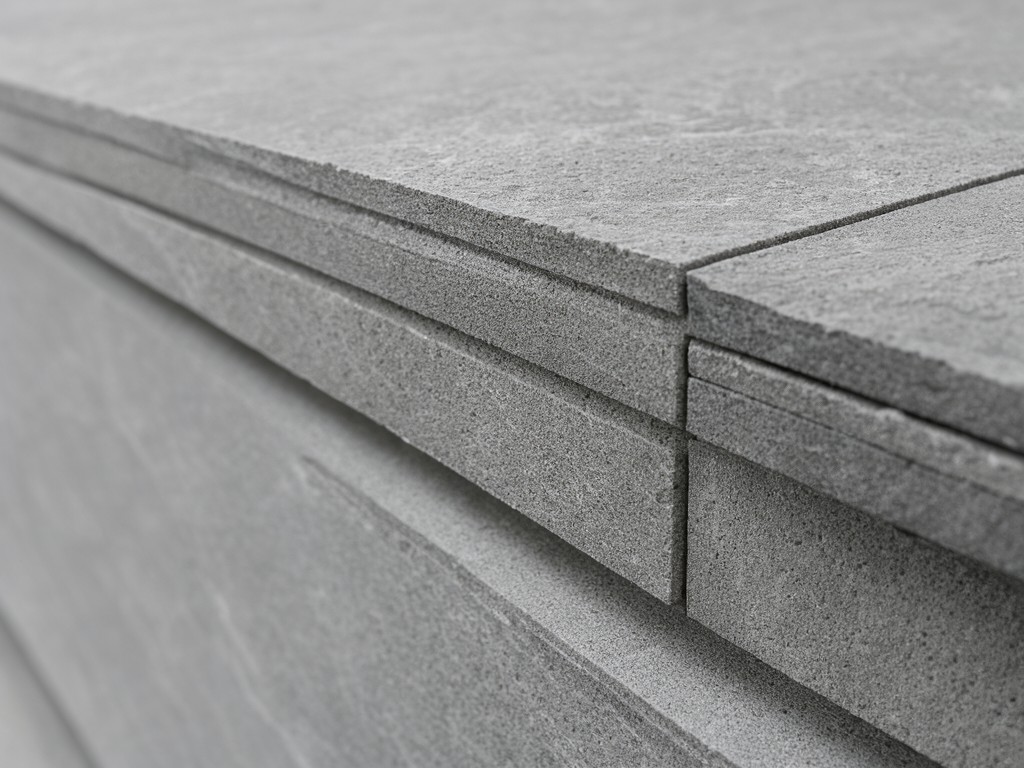
Architectural projects utilize culture stone for facades where the visual of marble is required without the weight or cost of solid block. Because the material is manufactured, the surface finish is stabilized with UV-stabilized resins. If the supplier does not use deep-set pigments, the face will fade unevenly after two seasons of solar exposure, compromising the brand's perceived quality.
Materials and Construction Trade-offs
Choosing between hand-carved and machine-pressed veneers determines the labor cost for the final installer. Hand-carved pieces offer organic variation but introduce higher variance in dimensional tolerance, making alignment difficult. Machine-pressed tiles provide uniform thickness within ±0.5mm, but can appear repetitive in large-scale commercial applications.
High-Density Resin Matrix
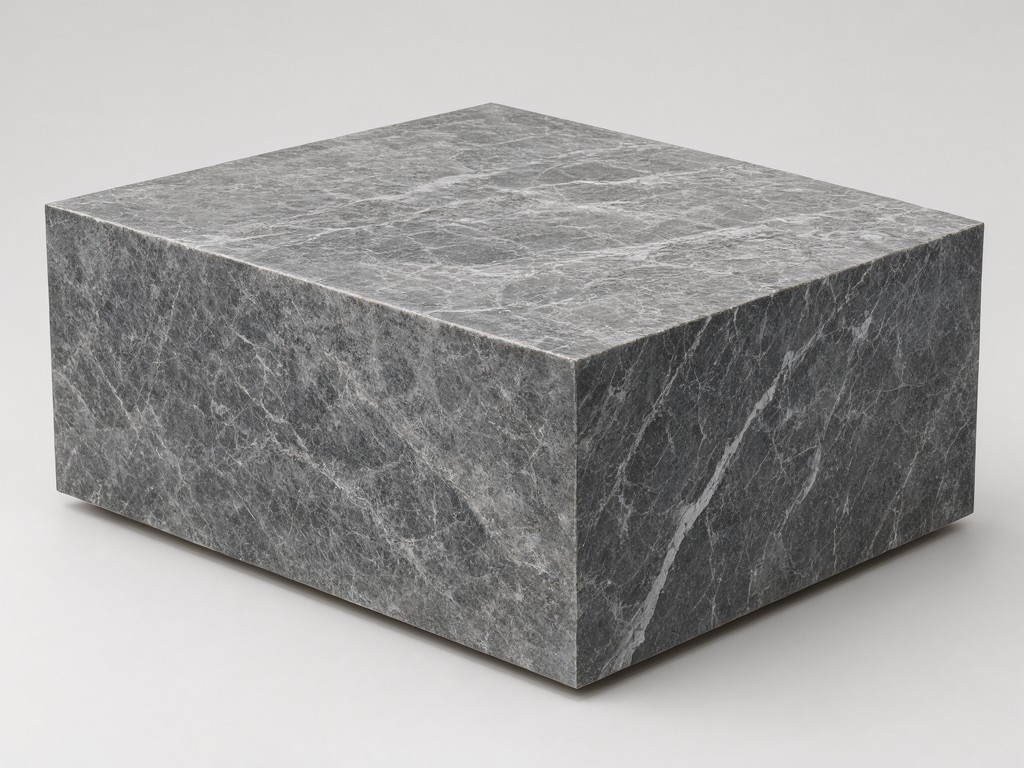
Increased resin content improves water resistance and prevents frost-thaw spalling. This increases the unit price but reduces the likelihood of warranty claims in colder climates where temperatures fluctuate rapidly.
High-Aggregate Content
Using a higher percentage of natural marble chips enhances the thermal conductivity and authenticity. However, it makes the material brittle and prone to chipping during transit if the edge protection is not sufficiently reinforced.
Requirements by Segment
Retail-focused distributors focus on palletization and box-packaging integrity. If the pallet is not reinforced with heat-shrink wrapping, the corners of the culture stone often shear during sea freight. Large-scale developers prioritize bulk-run batch consistency to ensure color matching across multi-story residential developments.
- Commercial-grade requires high abrasion resistance ratings for floor-level applications.
- Interior luxury de-sign focuses on high-gloss polished finishes with low-staining properties.
- Exterior cladding segments demand anti-slip textures (R-rating) to meet safety codes.
How Consistency Is Held Across Batches
Batch variance is managed through standardized pigment mixing protocols. When the raw marble source varies in particle size, the visual density of the culture stone shifts. We utilize spectrophotometer testing to ensure that the Delta E color difference between production runs remains within an acceptable range for large-scale projects.
Capacity and Tooling
Lead times for custom molds are dictated by the curing cycle of the resin. Rapid-cure processes can lead to internal stresses in the stone, resulting in warping later on. For standard stock items, we maintain inventory to support a two-week dispatch window, provided the order meets the minimum container load requirements.
Questions Ask Before Ordering
What is the load-bearing capacity for the veneer support?
The capacity depends on the adhesive used, but the stone itself is designed for non-structural deade cladding and interior wall applications.
Can the stone be treated for chemical resistance?
Yes, we offer a post-applied penetrative sealer during the manufacturing stage to protect against acidic cleaning agents and environmental oils.
Request a technical specification sheet and wholesale pricing
Contact our procurement department for batch sample analysis