China Marble Culture Stone Wall Panels Supplier: Specification, Ordering and Quality Notes
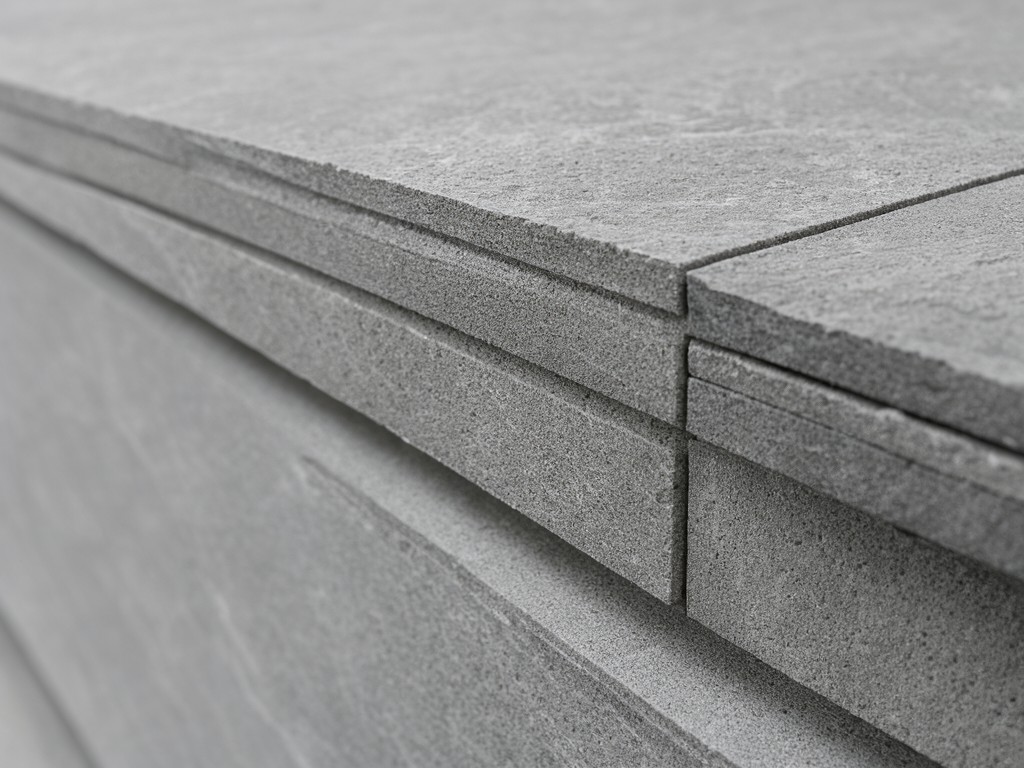
Structural integrity in culture stone panels depends on the ratio of the natural stone veneer to the polymer-reinforced core. Unlike solid marble slabs that are prone to fracture during transport, these composite panels utilize a thin 3mm-5mm layer of genuine marble bonded to a high-density substrate. This construction reduces the dead load by up to 60% compared to traditional stone, allowing for installation on non-load-bearing interior partitions without structural reinforcement.
What Actually Determines Performance
The manufacturing process begins with the selection of raw marble blocks based on density and porosity indices. High-density stones offer better resistance to surface staining and ensure that the aesthetic remains consistent even after repeated cleaning cycles. Once the stone is sliced into thin veneers, it undergoes a surface treatment to achieve the desired texture—ranging from split-face-hewn looks to honed or polished finishes.
Bonding strength is verified by the vacuum pressure applied during the lamination. If the pressure is insufficient, air pockets remain trapped between the stone and the core, leading to cracking under thermal expansion and contraction. For wholesale buyers, the consistency of the resin-to-stone ratio is the primary metric for determining the reorder rate across a large-scale installation project.
Construction Method and Its Effect
| Feature Attribute | Standard Specification | Buyer Impact |
|---|---|---|
| Stone Vene Thickness | 3mm - 8mm | Determines visual depth and tactile texture. |
| Substrate Material | Reinforced Polymer / Cement | Affects fire rating and impact resistance. |
| Panel Density | 8kg - 15kg/m² | Influences shipping costs and labor requirements. |
| Dimensional Tolerance | ±0.5mm | Ensures seamless jointing in large runs. |
Measured Performance in Real Use
In high-traffic environments, the panels are judged by the abrasion resistance of the stone surface. Natural marble is inherently porous; therefore, the application of a factory-grade sealer is mandatory to prevent oils and moisture from penetrating the grain. Without this protection, the stone will yellow or discolor within the first six months of exposure in commercial or hospitality settings.
UV exposure is another variable for exterior transition applications. While the stone itself is stable, the bonding resins in the panel core can degrade if not formulated with UV stabilizers. We provide specific-UV-rated panels for projects facing direct sunlight to ensure the substrate does not become brittle over time.
What Can Be Customised and Cannot
Customization Options
- Custom stone pattern matching for large architectural spans.
- Variable panel dimensions to minimize site cutting waste.
- Specialized surface finishes (sandblasted, tumbled, or brushed).
- Logo engraving or custom branding on the stone face.
Technical Constraints
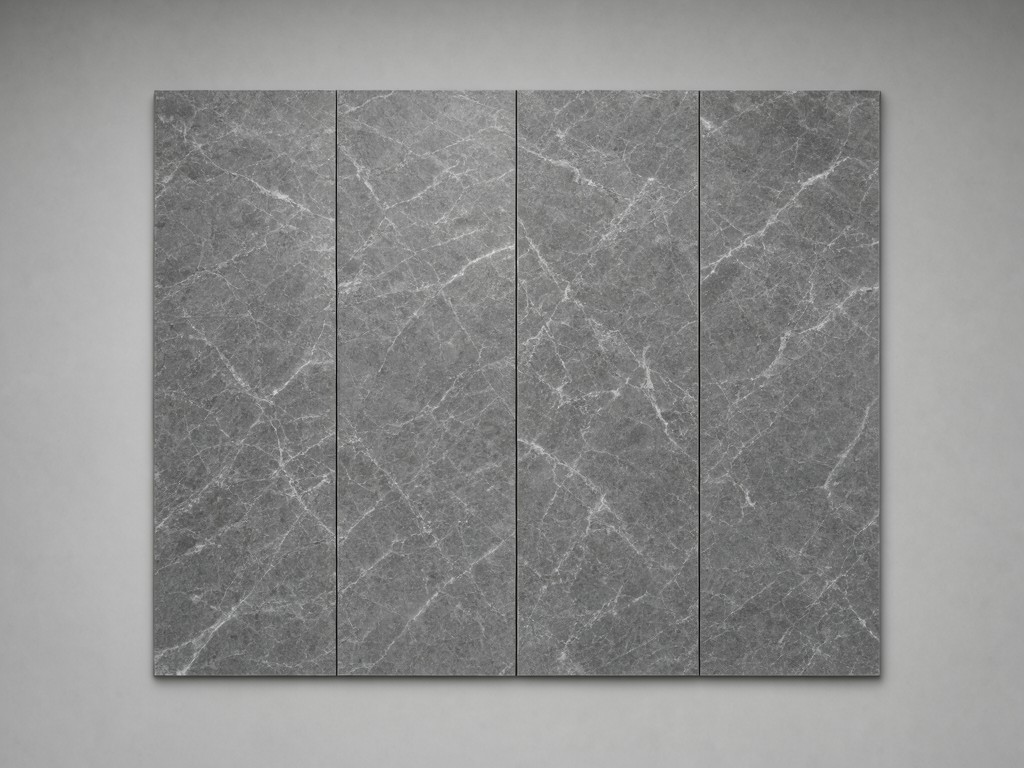
- Natural veining cannot be perfectly replicated across batches.
- Maximum panel width is limited by the structural stability of the veneer.
- Extreme chemical cleaning agents can weaken the stone bond.
- Fire rating is fixed based on the core material used.
Usage Scenarios and Buyer Segments
Project managers often specify these panels for feature walls in luxury hotels and high-end retail outlets where the perceived value of real stone is required without the logistical nightmare of heavy slab installation. For commercial developers, the ease of mounting allows for rapid project turnover, significantly shortening the overall construction timeline compared to traditional masonry work.
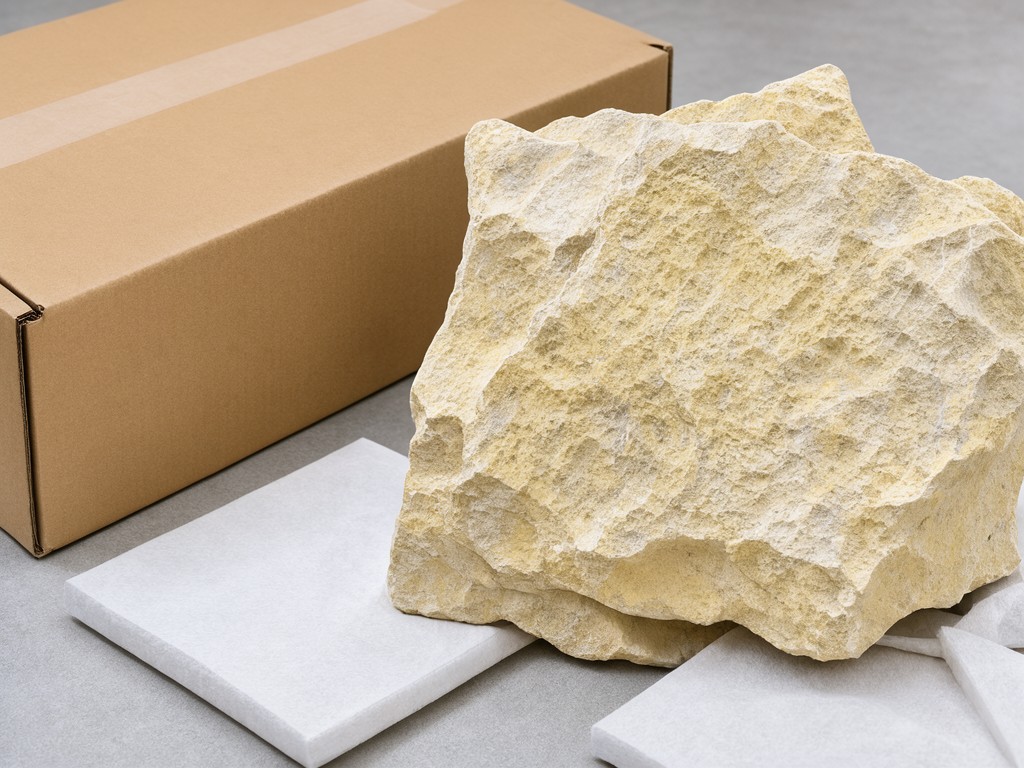
Wholesale distributors prioritize the packaging specifications for these items. Because the stone veneer is thin, edge chipping is common. We utilize reinforced wooden crates with internal foam buffering to ensure zero-break during international transit, reducing the cost-claims associated with on-site damage.
Setup, Use and Replacement
Installation requires a flat substrate with a deviation of less than 3mm over a 2-meter span. If the wall is uneven, the panels will flex, leading to stress fractures in the marble veneer. Using a thin-set mortar is the standard recommended method to ensure full back coverage and prevent hollow pockets where moisture collects.
Request technical data sheets or bulk pricing for your next project.
Contact our Technical Sales Team