China Marble Culture Stone Manufacturer: What Buyers Check Before Ordering
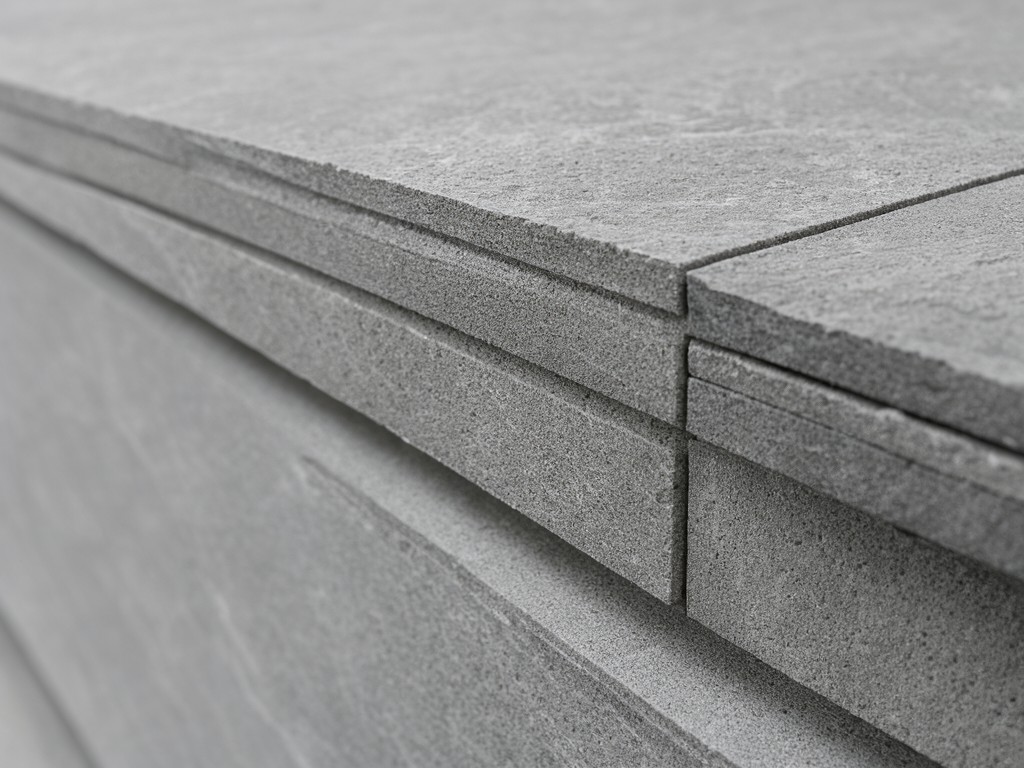
Structural integrity in decorative stone elements depends on the initial density of the block and the precision of the cutting process. When sourcing for large-scale architectural projects, the primary failure mode is not the aesthetic finish but the internal fractures that manifest during transport or thermal expansion in installation. A manufacturer that utilizes water-jet cutting and CNC milling ensures that the stone thickness remains consistent within a ±0.5mm tolerance, preventing the uneven gaps that lead to structural stress in cladding systems.
| Technical Parameter | Standard Range | Testing Metric |
|---|---|---|
| Water Absorption Rate | < 0.3% | Vacuum Saturation |
| Compressive Strength | 80-120 MPa | Point Load Test |
| Flexural Modulus | 12-25 MPa | Three-point Bend |
| Surface Hardness | 3-4 Mohs | Abrasion Resistance Scale |
What This Product Is and Where It Fits
Culture stone differs from standard thin-cut marble slabs primarily through the engineered surface textures and relief-cut treatments. For retail-label buyers, these products are typically utilized in interior feature walls or exterior veneers where the visual weight of stone is required without the structural mass. The manufacturing process involves taking natural marble blocks, slicing them into varying thicknesses, and applying mechanical relief patterns to mimic aged masonry or modern geometric arrangements.
- Split-face textures for high-contrast shadow lines in commercial lobby design.
- Beveled edges and honed finishes for slip-resistant properties in high-traffic flooring applications.
- Reinforced mesh backing for lightweight cladding panels to reduce breakage risk during onsite handling.
- Custom-cut CNC profiles for seamless integration into high-end architectural facades.
Procurement Note: Natural marble porosity varies by quarry. For outdoor applications, we specify a penetration-grade silane-based sealer at the factory stage to prevent efflorescence and moisture ingress without altering the matte finish.
Material Options and Trade-offs
White Calcite Series
High calcium content results in delicate veining patterns. However, these stones are more susceptible to acidic etching and mechanical scratching. Best suited for dry-interior environments where aesthetic purity is the priority over extreme impact resistance.
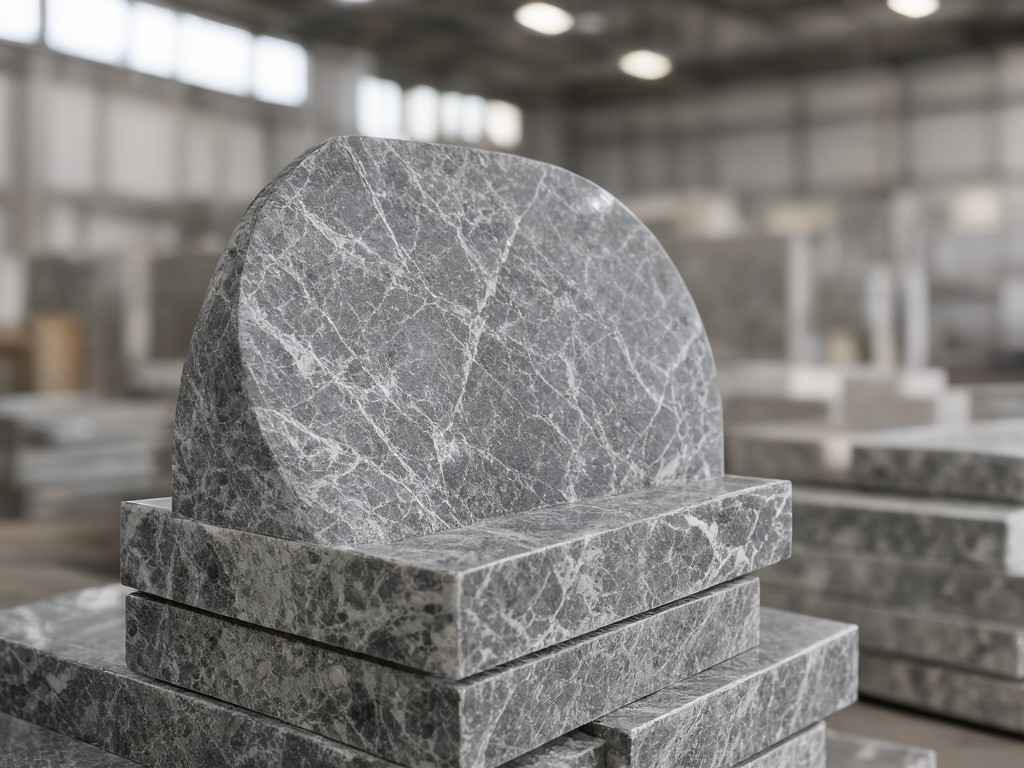
Grey Quartzite
Denser mineral structure leads to higher resistance to scratching and staining. This material is better for commercial retail environments or kitchen areas where frequent cleaning and exposure to cleaning agents are expected.
Option Comparison by Usage Level
Selecting the right surface treatment requires balancing the desired reflectivity against the required maintenance cycle. A honed finish hides minor scratches significantly better than a polished surface, whereas a polished finish maximizes the color depth but requires periodic re-sealing to maintain its luster.
| Finish Type | Primary Benefit | Maintenance Level |
|---|---|---|
| Polished | Maximum light reflection | High (Requires sealing) |
| Honed | Mat matte, hides wear | Medium |
| Leathered | Tactile, anti-slip | Low |
Assumptions Buyers Should Making
Many buyers assume that all marble from the same region is interchangeable. In reality, the geological variance of the vein means that two batches can have significantly different color densities and structural strengths. To mitigate returns, we implement batch-specific sample approvals where the buyer signs off on a physical slab before production commences. Furthermore, assuming that thin-ven is universally applicable without knowing the substrate rigidity leads to cracking; 5mm stone requires a perfectly flat-backed substrate to prevent flexural failure.
What Gets Checked Before Shipment
Quality control protocol focuses on the variables that cause post-installation warranty claims. Each crate is subjected to ultrasonic testing to detect internal hairline fissures that are not visible to the eye. We also verify the dimensional stability across the entire order to ensure that modular panels fit together without the need for custom trimming on-site.
- Color tolerance check against the approved master reference sample.
- Thickness uniformity verification using digital calipers.
- Edge-strength inspection for CNC-cut corners to prevent chipping.
- Packaging load-bearing test for international sea freight crates.
Request technical data sheets or material samples for your next project.
Contact Our Engineering Team for a Quotation