Buy Marble Flagstone Wall Cladding Company: Specification, Ordering and Quality
Natural stone selection for exterior envelopes requires balancing mineral density against the specific environmental exposure of the installation site. High-porosity varieties often succumb to moisture ingress, which increases the risk of surface spalling during freeze-thaw cycles. We prioritize slabs with a low water absorption rate to ensure the structural integrity of the cladding remains intact after years of exposure to fluctuating humidity and thermal expansion.
Technical Note: For vertical applications with high wind loads, a minimum thickness of 20mm is required to maintain the mechanical bond to the substrate and to prevent shear failure of the adhesive layer under extreme mechanical stress.
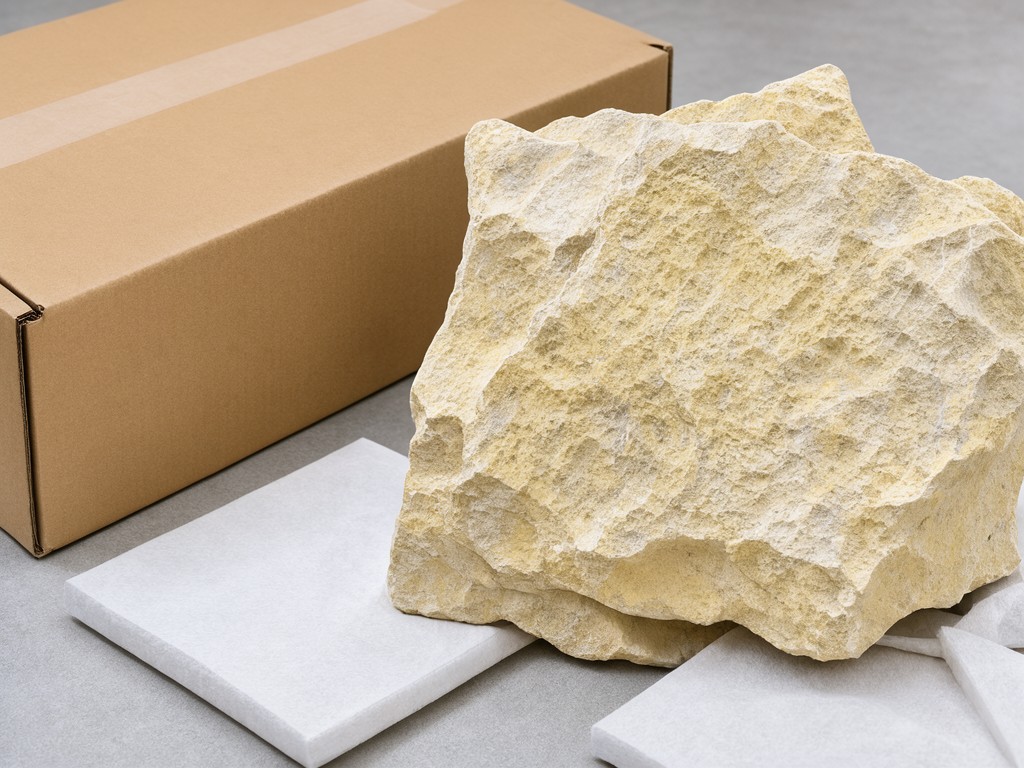
The surface finish directly dictates the maintenance frequency and the visual depth of the marble veining. While a honed surface reduces the area available for particulate accumulation, a tumbled or split-face finish offers better resistance to visible impact scratches, making it the more viable choice for high-traffic pedestrian zones.
Measured Performance in Real Use
In commercial-grade projects, the primary failure mode for marble cladding is chemical etching from acidic rain or cleaning agents. We monitor the mineral hardness across each batch to ensure the calcium carbonate content does not degrade prematurely under standard atmospheric conditions. This consistency ensures that the aesthetic profile of the facade remains uniform across a multi-year service life.
Honed Finish Grade
- Low light reflection for glare control
- Easier to surface-seal for maintenance
- Best for interior-facing architectural walls
Split-Face Grade
- High texture hides mineral salt buildup
- Natural depth masks minor impact scratches
- Ideal for exterior perimeter cladding
Comparing Two Standard Configurations
Selecting the right stone configuration involves a trade-off between weight-related logistics costs and aesthetic depth. Thin-cut veneers reduce the dead load on the structural frame but require more precise mechanical fastening to prevent warping during thermal shifts.
| Parameter | Standard Veneer | Full-Thickness Slab |
|---|---|---|
| Thickness Range | 5mm - 8mm | 20mm - 30mm |
| Weight per m² | 12-18 kg | 55-80 kg |
| Installation Method | Adhesive-only | Mechanical anchor + Adhesive |
| Impact Resistance | Low (fragile) | High (structural) |
Assumptions Buyers Should Making
Procurement officers often assume that marble color consistency is uniform across large-scale production. In reality, natural stone varies in vein density and tonal shift between blocks. We mitigate this by providing batch-specific digital samples, ensuring that the visual variance falls within the project's acceptable tolerance before the primary shipment departs.
Another common misconception is the durability of untreated stone in urban environments. Marble is inherently porous; without a penetrating sealer, the stone will absorb organic pollutants and atmospheric moisture, leading to permanent staining that cannot be cleaned out mechanically.
Working as a Partner, Not a Supplier
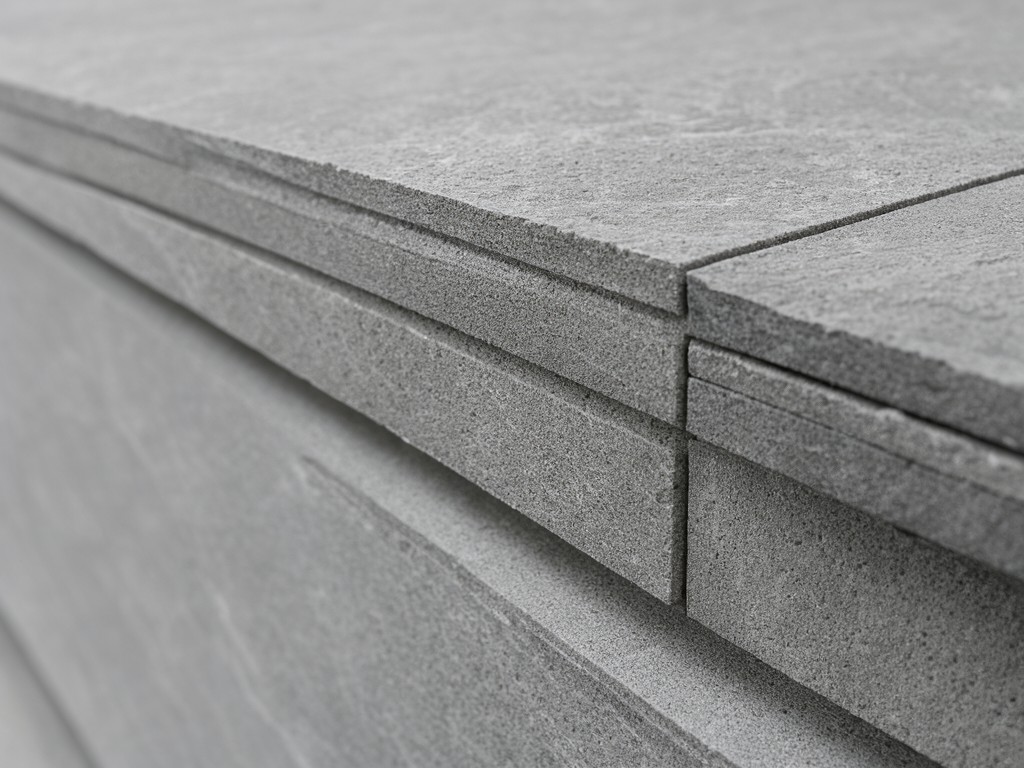
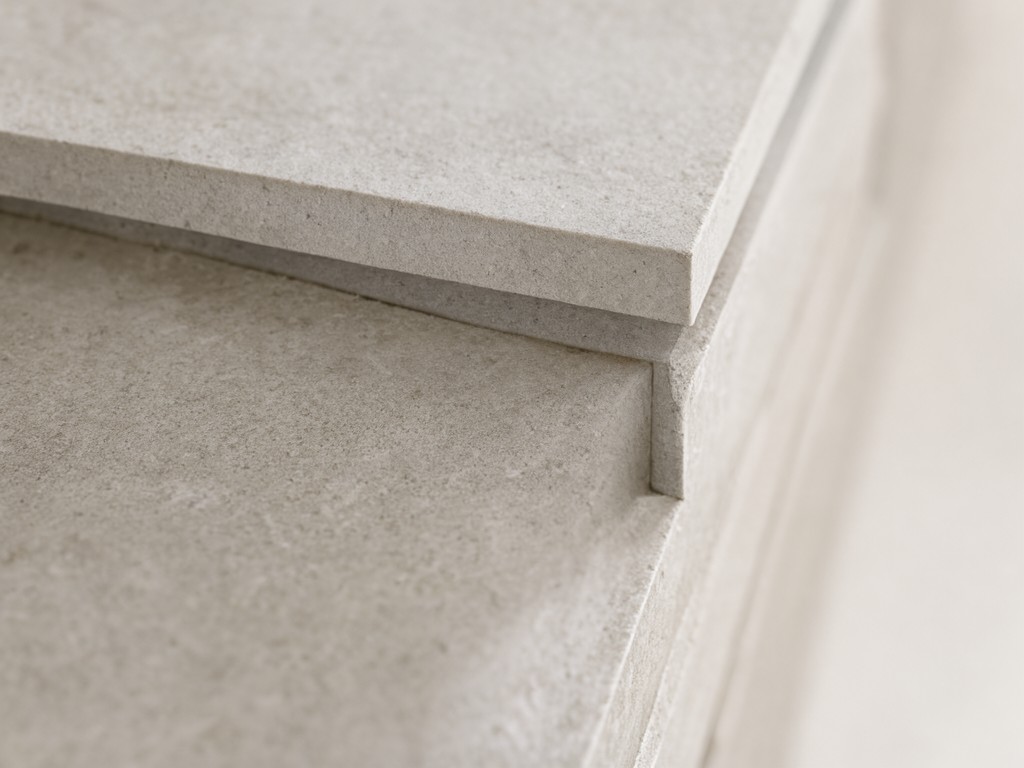
Our manufacturing process focuses on the dimensional accuracy of the flagstone edges. Each piece is cut to a tolerance of ±1mm to ensure that grout lines remain tight and consistent across the facade. This precision reduces on-site wastage and minimizes the labor hours required for final facade adjustments.
What Gets Checked
Every shipment undergoes a multi-stage inspection to identify internal structural fractures that are invisible to the naked eye. We utilize ultrasonic testing to detect delamination within the slab that could manifest during transport or installation.
- Dimensional verification (length, width, thickness).
- Water absorption testing to verify porosity levels.
- Visual mapping against approved master color samples.
- Compressive strength testing for structural-grade orders.